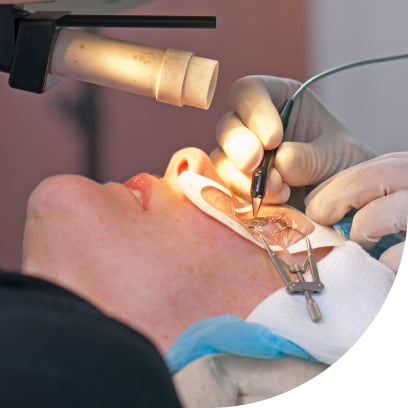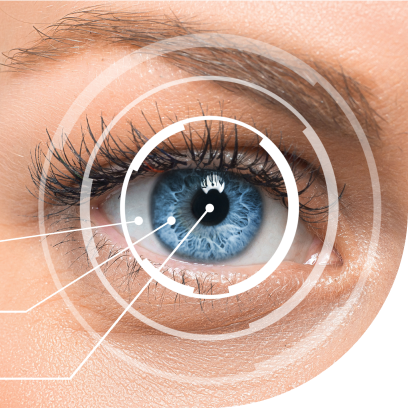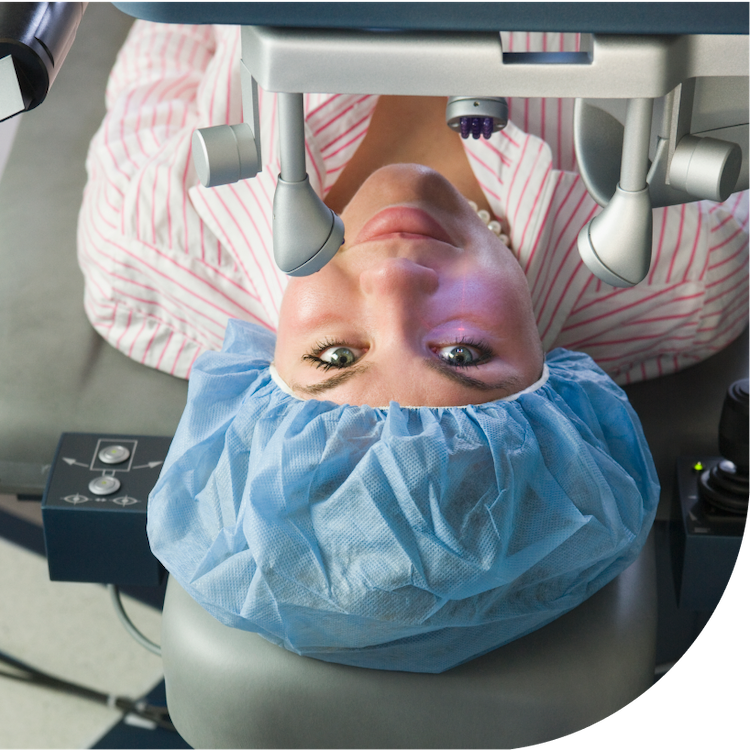
LASIK has transformed the lives of tens of millions of people around the world, allowing them to see clearly without the use of glasses. Once confined to a life of glasses and poor vision, LASIK patients now only need to undergo one simple, safe, and fast laser operation for eyesight improvement. The LASIK success rate is incredibly high, with most patients reporting a significant improvement in vision post-surgery. And, while the surgery itself may be over quickly, preparing for the surgery should be considered a very important step in ensuring the best outcome. This guide will cover how to prepare for laser eye surgery, including what you need to know before surgery, the day of your procedure, and during your initial recovery.
Pre-Consultation and Initial Requirements
LASIK laser eye surgery corrects refractive errors which occur when the cornea does not bend the light correctly, leading to nearsightedness, farsightedness, and astigmatism. During LASIK surgery, the patient’s cornea is reshaped using a precise laser which enables the patient to see clearly. While many people have refractive errors, not all patients are eligible for LASIK surgery. Eligible patients must meet the following laser eye surgery requirements:
- Be in overall good health
- Must be over the age of 18, but sometimes surgeons will make patients wait until they are 21.
- Must have had a stable eyeglasses or contact lens prescription for over a year.
- Have thick, or adequately thick, corneas for surgery. Since the surgery involves reshaping the cornea, patients with thin corneas are not good candidates.
- Be free from other eye conditions, such as glaucoma, cataracts, or dry eyes
Patients interested in LASIK that do not meet all of the criteria above should consult with their eye doctor to see if there may be other options available for correcting vision. Sometimes, your surgeon will work with you to manage existing conditions, such as dry eyes, before approving you for surgery. This is always to ensure the best results from the surgery and lower your risks for developing complications.
If you think you may be a candidate for LASIK eye surgery, your first step should be requesting a consultation with an experienced eye doctor. They will perform a comprehensive eye exam to measure your cornea, including its thickness, assess your pupil size, check for existing eye conditions, and evaluate your eye health. Finally, they will also ask for a complete medical history. Once you are approved for surgery, you will schedule your appointment and begin preparations for your new vision!
Phase 2: The Critical Pre-Operative Adjustments
Before getting measured for surgery, you will need to stop wearing your contact lenses. Contacts change the shape of the cornea temporarily and may lead to inaccurate measurements which could negatively impact the final result of the surgery. Unfortunately, this step is not optional and should be taken seriously.
Before your surgery, you will need to remove your contact lenses for an extended period of time. How long to stop wearing contacts before LASIK will depend on the type of contact you wear. Generally, the guidelines below are recommended, however, please consult with your surgeon for the exact information pertaining to your situation and follow their instructions.
The Transition Period After Removing Contact Lenses
- Soft Contacts: Soft contact lenses should be left off the eyes for at least three to five days before your appointment. They have the least impact on the shape of the cornea, so less time is needed than other types of contact lenses.
- Toric or Rigid Soft Lenses: Since these lenses lead to more significant changes to the cornea, you will need to stop wearing them for two to three weeks before your pre-surgery measurements and consultation.
- Hard or Ridged Gas Permeable Lenses: These lenses require the longest break period, consisting of about four weeks. However, if you have been wearing them for a very long time, your surgeon may recommend a longer break.
Medications & Health:
Before LASIK surgery, you may be given eye drops to use. Most often, these are antibiotic and anti-inflammatory eye drops and should be used exactly as prescribed. These will help to prevent infection and minimize swelling post-surgery, which can expedite healing and your journey to clearer vision. As with any surgery, it is important to make sure your general health is great. Both alcohol use and smoking can delay healing and increase your chances of developing complications, so it is best to reduce or stop both before surgery and during your recovery. Make sure to tell your surgeon about any and all medications or supplements you are taking as they will check for potential interactions and side effects. They may tell you to stop taking them before surgery to be safe.
Phase 3: The Days Leading Up to Surgery
As your surgery date gets closer, it’s important to be prepared and aware of what will happen during the procedure and right after. This will help ease anxiety and set you up for a speedy and successful recovery.
Hygiene & Aesthetics:
24-48 hours before surgery do not use any facial perfumes, lotions, creams, serums, or makeup. It is vital that the area around the eyes, including the scalp and face, remain clean and free from potential irritants. On the day of surgery, wash your face with a mild soap and do not apply any products at all.
Logistics & Comfort:
Because you will be given sedation, and unable to see clearly after surgery, you must arrange for a ride home. If you do not have a ride, the clinic might be able to arrange one for you, but you will not be able to drive.
Plan to eat a light meal before the procedure, we do not require fasting.
Choose comfortable, non-linty clothing and something that will be easy to take off without disturbing your eyes.
Setting Expectations for After the Procedure
The recovery time after LASIK eye surgery will range, depending on the activity you would like to do and how your eyes are adjusting.
Initial Post-Op & Recovery:
Most patients experience improved vision within 24 hours! However, as exciting as that may be, it is important to know that complete vision stabilization will take anywhere from six months to a year, depending on your condition. After surgery, you may feel groggy and disoriented, and your eyes may feel like they have something in them, they may water, and you may be sensitive to light right away.
During the first 24 hours, it is important to wear the eye shield provided by the clinic, avoid rubbing your eyes, and keep them closed as often as you can to promote healing. It will be important to use your eye drops as directed to help with swelling and prevent infections.
Long-Term Vision:
You’ve likely chosen to get LASIK because of the millions of people that have gone before you and reported excellent results. Most patients report clearer vision, often measured at 20/20 or 20/40 vision, making this surgery extremely effective and long lasting. Some patients may need to have small adjustments or additional procedures later as the eyes continue to change.
Can you wear contacts after LASIK eye surgery? You won’t need to! LASIK gives many patients clearer vision almost immediately. On rare occasions, people may need contacts later, however, this will not be any time close to surgery. It is very important to avoid placing anything in your eyes directly following surgery!
Essential Questions to Ask Your Surgeon
Key questions to ask before LASIK include:
- What are my specific candidacy factors, and am I candidate for traditional LASIK or would a different procedure be better?
- How long is my exact ‘no contact lens’ period?
- What are the risks and side effects relevant to my eyes?
- What is the total cost (including follow-ups)?
Ready for Your Procedure?
Getting LASIK surgery should be an exciting time in your life! And, with a little preparation and by following your surgeons’ instructions carefully, you will set yourself up for a successful surgery.
If you’re ready to start seeing clearly without glasses, contact the nearest LASIK By OCLI Vision location to get started.