The Big Question: LASIK or PRK?
Without a doubt, when patients hear laser eye correction surgery, they assume LASIK. But, while LASIK eye surgery is the best known and most commonly performed laser refractive surgery to correct vision problems, it is not the only path to improved vision. Both LASIK and Photorefractive Keratectomy (PRK) use the same advanced excimer laser to permanently reshape the cornea and correct nearsightedness, farsightedness, and astigmatism. These procedures have revolutionized laser eye surgery and allowed millions of people to see clearly again. When considering PRK vs LASIK as vision correction options, the difference in procedure is minimal, but each serves a distinct purpose.
How the Procedures Differ
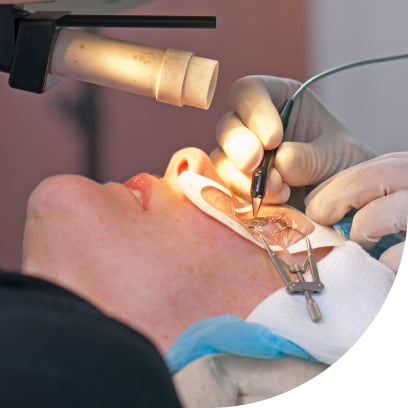
The difference between LASIK and PRK becomes clear at the very beginning of the procedure in how the surgeon accesses the cornea. With LASIK (Laser-Assisted In Situ Keratomileusis), your surgeon creates a thin, hinged flap in the outer layer of the cornea. This flap is lifted, allowing the laser access to the cornea and the tissue for reshaping. The flap is then smoothed back into place, acting as a natural bandage and eliminating the need for stitches. Additionally, many patients use LASIK for astigmatism.
With PRK, on the other hand, no flap is created. Instead, the thin outer layer of the cornea (the epithelium) is gently removed entirely. The surgeon then uses the laser to reshape the surface of the cornea directly. Spectacularly, this outer layer naturally regenerates and heals over the next several days without interference from a surgeon.
Comparing the Experience: Recovery & Results
The differences in the procedures are also evident throughout the recovery and long-term results. It is something to take into account when discussing the advantages and drawbacks of each type of surgery. Your surgeon should be able to walk you through the expected results, which are identical for both procedures, along with how to manage any discomfort or stability issues.
- Initial Recovery
- LASIK recovery time: Rapid (1–2 days)
- PRK: Gradual (3–7 days)
- Discomfort
- LASIK: Minimal
- PRK side effects: Moderate for 48–72 hours
- Visual Stability
- LASIK: Usually within 48 hours
- PRK: Several weeks to months
- Long-Term Outcome
- LASIK: 20/20 vision or better (90%+)
- PRK: Identical to LASIK
Why a Doctor Might Recommend PRK Over LASIK,/h2?
The surgeries are not the same for a very important reason; they were created to account for differences in the eyes of patients. When looking at LASIK alternatives, even though LASIK offers a faster recovery and faster visual stability, PRK is often the safer, stronger choice for patients with the following conditions:
- Thin Corneas – A thin cornea will not make a proper flap, like that needed to protect the eye after LASIK surgery. In these instances, PRK is recommended.
- High-Impact Lifestyles – Certain professionals, such as athletes, policeofficers, firefighters, and military personnel are more likely to experience trauma to the eye, making an eye flap a hazard and increasing the risk for dislocation.
- Chronic Dry Eye – Dry eye can cause issues with healing and increase risks for infection, so PRK is considered the safer choice.
Proactive Steps for Lasting Results
No matter which surgery you and your surgeon select as the best option, to ensure lasting results, make sure to follow these healthy eye guidelines.
- Protect your eyes from harmful UV rays with proper protection. We know that UV exposure can increase your risk for certain eye diseases and conditions. It is important to protect your eyes whenever you are outside.
- Avoid rubbing your eyes after surgery – Rubbing your eyes can disrupt the corneal flap or cause dirt or debris to get into the eye, putting you at risk for infections and delayed healing.
- Keep eyes moist – Your surgeon will give you comprehensive post-surgery instructions, it’s important that you keep your eyes moist to promote healing.
- Protect eyes during strenuous or impact activities – Whether that is playing volleyball or working construction, make sure to wear protective glasses to avoid injuries and trauma.
- Refrain from swimming and hot tubs until you get the all clear as they harbor bacteria and may put you at risk for an infection.
- Attend follow-up appointments – Do not miss a chance to review your results and confirm your eyes are in top shape. Your ophthalmologist is your best resource when it comes to protecting your eyes and maintaining your results.
Consult the Experts at LASIK by OCLI Vision
We know that choosing between LASIK and PRK isn’t an easy decision, and it requires the expertise of a qualified surgeon. Make sure to schedule a consultation with LASIK by OCLI today and get access to some of the best surgeons in the country.
During a comprehensive eye exam at LASIK by OCLI Vision, we’ll take measurements of the thickness of your cornea, understand your lifestyle needs, check for other conditions that may impact the surgery, and ensure you meet all the criteria for either PRK or LASIK. Our goal is to ensure you get the best care and the best results. Find a location for your free consultation!